
Using the Finally Over It Album Cover Generator
The Summer Walker Finally Over It album cover generator allows you to easily create personalized versions of the Atlanta singer’s 2025 album artwork. Simply enter text into the input field and click “Generate Cover” to see custom text rendered in the elegant Ballet script font that defines the original design. The generator automatically formats text into a vertical, stacked arrangement that mirrors the album’s distinctive typography. Once satisfied with the result, click “Download Cover” to save the customized image.
For exclusive early access to new album generators, please join our mailing list. No spam or ads, just simple email alerts when new generators are created.
The Visual Language of Finally Over It
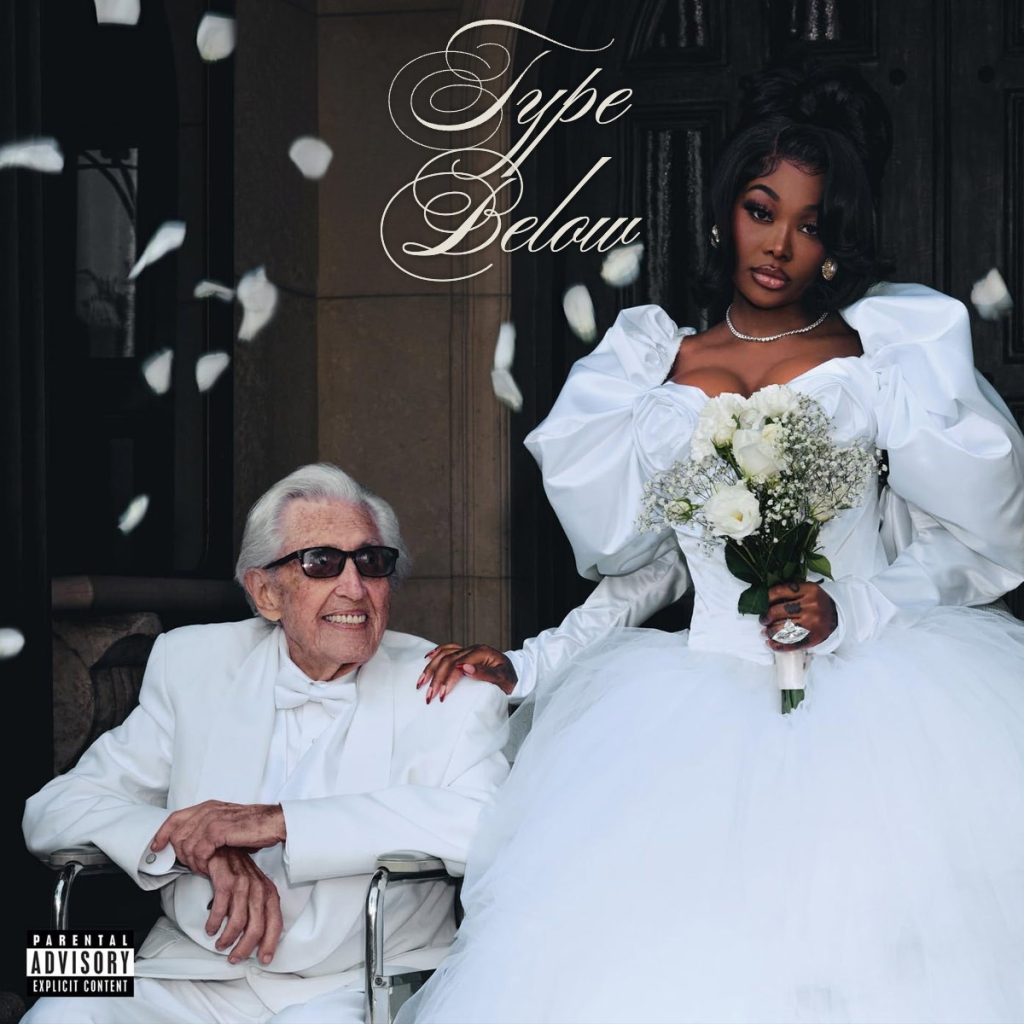
Summer Walker’s Finally Over It album cover presents one of contemporary R&B’s most provocative visual statements. Released in November 2025 as the concluding chapter of her trilogy, the artwork draws direct inspiration from Anna Nicole Smith’s controversial 1994 wedding to oil tycoon J. Howard Marshall. The image depicts Walker in an elaborate white wedding gown beside an elderly groom, surrounded by falling rose petals—a deliberately satirical commentary on transactional relationships and the performances society demands from women.
The typography choices reinforce these themes through elegant restraint. The album title appears in Ballet, a flowing script font rendered in a soft cream shade (#e5e1d6) that evokes vintage photography and wedding invitations. This calligraphic approach stands in stark contrast to the bold, geometric typography dominating much of modern hip-hop and R&B album design. The vertical text stacking creates a visual rhythm that guides the eye downward, suggesting a cascading of emotions or the gradual unfolding of truth.
The color palette reinforces the wedding motif while maintaining visual sophistication. The cream-toned typography provides subtle contrast against darker background elements without overwhelming the composition. A barely perceptible shadow effect enhances legibility while preserving the ethereal quality that defines the overall aesthetic. This delicate balance between visibility and subtlety mirrors the album’s thematic exploration of saying what needs to be said while maintaining composure.
Walker’s decision to reference Anna Nicole Smith carries significant cultural weight. Smith faced relentless scrutiny for her marriage to Marshall, with critics dismissing her as opportunistic. By appropriating this imagery for an album about choosing oneself and demanding “princess treatment,” Walker reclaims narratives about women who prioritize financial security alongside or instead of romantic love. The visual asks uncomfortable questions: What makes a relationship legitimate? Who gets to judge what women choose and why?
The wedding theme extends throughout the album’s promotional campaign. Walker revealed collaborators through a mock wedding reception video, operated a dump truck service encouraging fans to discard ex-partners’ belongings, and created an escape room experience themed around “scary exes.” This multimedia approach transforms the album cover from static image into immersive concept, inviting audiences to participate in the ritual of moving on.
Musical Themes and Artistic Evolution
Finally Over It represents Summer Walker’s most ambitious artistic statement. The double album divides into “For Better” and “For Worse”—a structure that subverts traditional wedding vows to examine what happens when romantic ideals collide with reality. The first half explores Walker’s journey toward prioritizing herself after years of compromising for relationships that left her diminished. The second half confronts harder truths about giving up on unconditional love and the cynicism that emerges from repeated disappointment.
The album marks a decisive tonal shift from its predecessors. While 2019’s Over It captured the raw vulnerability of new heartbreak and 2021’s Still Over It channeled anger toward a specific relationship’s betrayal, this final installment focuses on lessons learned rather than wounds inflicted. Walker has described the project as putting down emotional baggage and moving toward a better life—not through denial, but through honest reckoning with what she will and won’t accept.
Lead single “Heart of a Woman” exemplifies this matured perspective, earning Grammy nominations for Best R&B Song and Best R&B Performance. The track explores the complexity of giving second chances while maintaining boundaries, a theme that resonates throughout the project. Other standout moments include “Robbed You,” which features Mariah the Scientist’s complementary vocals, and “No,” which samples Beyoncé’s 2003 track “Yes” to craft an anthem about refusing one-sided demands.
Collaborative Voices and Industry Connections
The album’s expansive guest list demonstrates Walker’s standing within contemporary R&B and her ability to curate cohesive sonic experiences. Brent Faiyaz, whose own music explores emotional unavailability and modern dating’s complexities, brings his signature melancholic delivery to the project. His inclusion connects Walker’s work to a broader movement of R&B artists examining relationships with unflinching honesty.
21 Savage’s appearance represents an interesting genre crossover that has become increasingly common in Walker’s work. The rapper has previously collaborated with numerous R&B artists, including his memorable features on Metro Boomin’s productions. His presence on Finally Over It adds textural contrast while maintaining thematic consistency—both artists excel at projecting emotional guardedness as self-protection.
Anderson .Paak contributes to “1-800 Heartbreak,” transforming a breakup hotline concept into a moment of levity. The multi-instrumentalist’s jazz-influenced approach to R&B complements Walker’s more straightforward contemporary sound, creating sonic variety across the album’s substantial runtime. Meanwhile, Bryson Tiller appears on “Give Me a Reason,” reuniting with Walker after their previous collaborations helped establish her signature sound.
The female collaborations prove equally significant. Doja Cat and Latto join forces with Walker on “Go Girl,” while GloRilla and Sexyy Red bring Memphis and St. Louis perspectives to the project’s exploration of modern femininity. These partnerships reflect how Walker positions herself within a community of women artists who refuse to soften their edges for mainstream acceptance.
Walker’s creative relationships extend beyond featured artists to include production work from The-Dream, Bryan-Michael Cox, Nineteen85, and Terrace Martin. This production roster connects her to both R&B’s golden era and its contemporary evolution, resulting in arrangements that feel simultaneously timeless and current.
A Trilogy Concluded
Finally Over It closes a six-year narrative arc that has been as much about personal growth as musical development. From the diary-like confessions of her debut through the confrontational anger of the second installment, Walker has invited listeners into her emotional landscape with rare transparency. This final chapter doesn’t offer neat resolution but rather hard-won wisdom about the difference between vulnerability and surrender.
The album’s visual and sonic elements work in concert to communicate this journey’s endpoint. The elegant script typography, wedding imagery, and carefully curated collaborations all serve the central theme: a woman who has loved too hard is learning to love herself with equal intensity. Whether listeners embrace the album’s cynicism about romantic love or reject its more transactional framing, Walker makes clear that she has earned the right to choose herself—for better or for worse.


who?